Translate

Wednesday, 16 September 2015

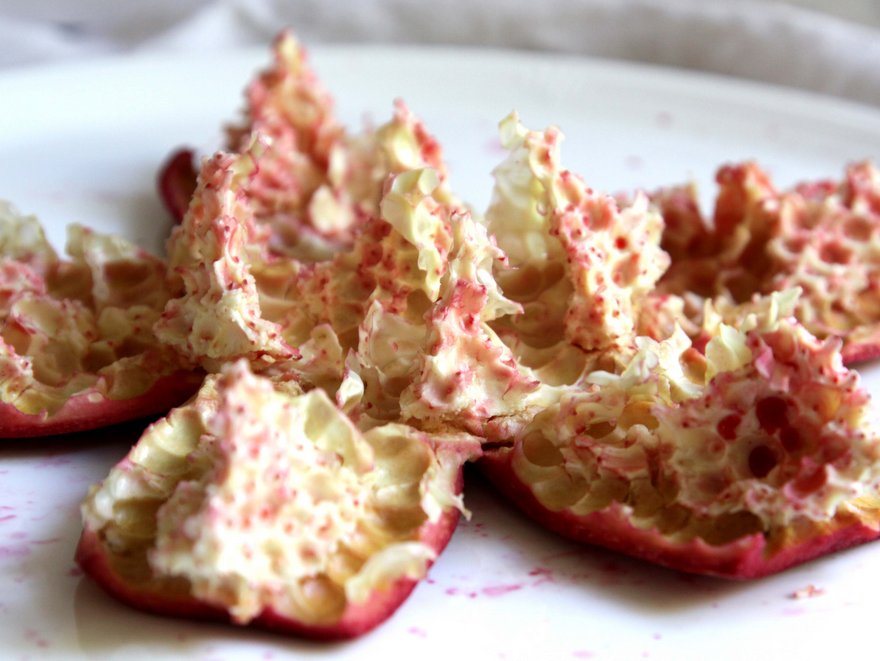
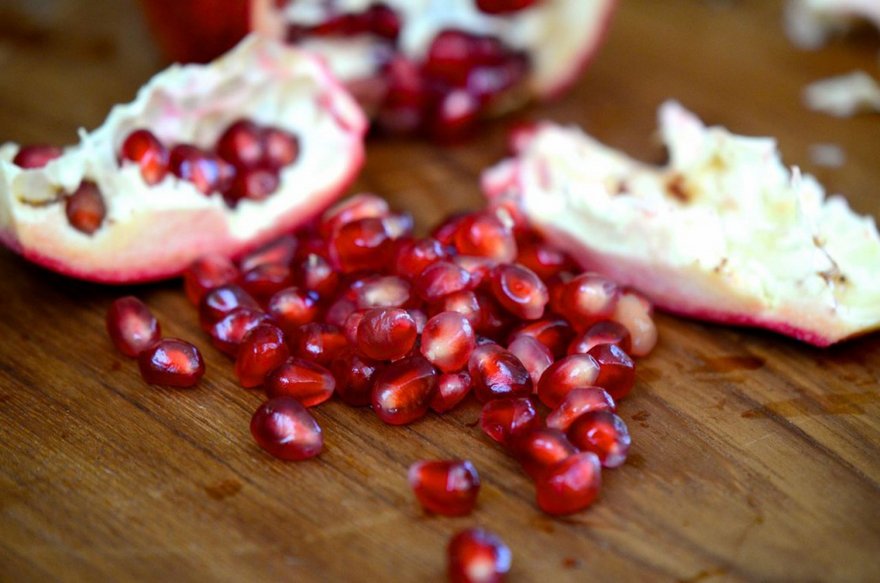
Medicinal Properties of Pomegranate Peel


Read this on IndiaDivine.org and thought its worth spreading.
Don’t throw away your pomegranate peels ever again. Instead of throwing them, dry them and keep them in your home. Pomegranate peels are extraordinary tools that can help you get rid of stomach infections. It also helps with intestinal disorders.
In 1999, there was an article in the Russian newspaper titled, “Forgotten Hypocrite and Healing With Plants” in which a patented recipe, by G. I. Glubokov, was written. The recipe was about treating appendix inflammation, cholera, salmonella, diarrhea, dysentery etc.
The last drug was patented in 1996. This drug was tested in a medical institution. Another thing they tested was this drug’s ability to inhibit pathogenic bacteria “in vitro.”
In this part of the article we will present to you a translated article from the aforementioned Russian papers.
Pomegranate Peel
Preparation of Tea From Dried Pomegranate Peel:
The ratio between pomegranate peels and hot water should be 1:20. Put 10-12 grams of dried pomegranate peels in a previously heated cup or glass and pour 200 ml of boiling water over it. Cover the cup/glass with a lid and let it sit for 25 to 30 minutes. You can drink the liquid after that time has passed. Do not throw away the peels. The healing is about to begin from this point on. Remember to keep the cup/glass of tea nearby.
The preparation of this medicine is the same for all of the previously mentioned diseases, the application is the only thing that is different.
1. Healing within five hours: diarrhea, typhoid, dysentery, cholera, acute appendicitis (appendix) and salmonella. Consume the tea in the following way:
Drink half a glass of the tea after it has been sitting for half an hour. Do not strain the tea! Again, cover the tea. If you feel better after ten minutes. This means you have had diarrhea and the healing is over.
If you don’t feel an improvement after ten minutes, this means you are dealing with one or more of the following diseases: diarrhea, typhoid, salmonella, cholera. In this case, you need to stay at home and drink the other half of the tea after three hours. The healing process continues in the following three hours. You will feel the improvement after five hours from the beginning of the whole healing process.
Pomegranate Peel3
2. Healing within seven days: bile ulcer, ulcer on the small bowel, colitis (inflamed colon). Consume the tea in the following way.
You can start drinking the tea after it has been sitting for 30 minutes. Drink half a cup of the tea, (around 100 ml,) throughout the whole day. Make sure you separate this amount into four parts, (each part should be around 25 ml). Start with drinking the first part early in the morning on an empty stomach and consume the fourth part late in the evening before you go to sleep.
You must not drink this tea every day. Consume it the first, third, fifth and seventh day. Do not consume it the second, fourth and sixth day. This amount is just enough for the healing to complete. If you need to continue the treatment, make sure you take a seven-day break.
You must not consume alcohol during the healing procedure. Also, remember not to strain the tea. What’s great about this treatment is the fact that all pathogenic cells in the gastrointestinal tract are continuously destroyed. The healthy ones remain untouched.
The key for successfully treating your ailments with this remedy is to pay attention to the pomegranate peel–water ratio, which should be 1:20. If you make a mistake with the ingredients’ ratio, you might cause side effects such as dizziness, nausea and headaches.

Tuesday, 11 August 2015


Article from Optimal Health Lab:

Does Wheatgrass Turn Gray Hair Back To Its Natural Color?
Gray hair: The ultimate telltale sign of aging.  Approximately half of all 50-year-olds are at least 50% gray.  Try as you may to postpone the inevitable with expensive, foul-smelling and messy dyes, the battle against gray is predictable...

Gray is pretty much the undefeated champion.

Or is it?

Regular consumption of the young grass of a common wheat plant can recolor those grays so that you can enjoy your lush, natural color well into your senior years.  And it doesn't just stop at the gray.  This young cereal grass slows down the entire aging process by rejuvenating your cells, detoxifying your body, fighting tumors and tightening loose and sagging skin.

Gray Isn't Just a Sign of Age

The age-old healing system of Traditional Chinese Medicine (TCM) links hair pigmentation to the quality of your blood and the strength of your kidneys.  According to TCM, gray doesn't mean old as much as it points to weak kidneys and blood.

Made up of 70% chlorophyll, wheatgrass, from the wheat planttriticum aestivumrestores the health of your kidneys and blood.

Chlorophyll helps to strengthen, build and oxygenate the blood.  It is remarkably similar to hemoglobin, a compound that carries oxygen to the blood.  Once consumed, chlorophyll is transformed into blood.  It then transports nutrients, such as oxygen, to your cells, tissues and organs, rejuvenating, protecting and strengthening.

Renowned nutritionist, Dr. Bernard Jenson, discovered that wheatgrass and other green juices high in chlorophyll are nature's best blood builders.  In his book Health Magic Through Chlorophyll From Living Plant Life, he cites several cases in which he was able to boost red blood cell count in a matter of days simply by having patients soak in a chlorophyll-water bath.  Consuming wheatgrass and other green juices regularly has been proven to boost red blood cell count even more rapidly.

Beyond Beautification and into Total Body Health

Wheatgrass is made up of an impressive array of nutrients that reinforce and rejuvenate everything from our cells and tissues to our organs and bodily systems.  In addition to its 70% chlorophyll makeup, wheatgrass contains 17 essential amino acids, 90 minerals, 13 vitamins and 80 enzymes.  Prominent research scientist Dr. Earp-Thomas says that,"15 pounds of wheatgrass is the equivalent of 350 pounds of carrots, lettuce, celery and so forth." 

Wheatgrass delivers an impenetrable line of defense against disease.  An all-natural and powerful detoxifier, wheatgrass protects the liver and purifies the blood by neutralizing toxic substances such as cadmium, nicotine, strontium, mercury and polyvinyl chloride.

Detoxifying is the first step.  From there, wheatgrass takes the offensive as a proven anti-cancer agent that stops tumors in their tracks.

Fact: Cancer cells cannot develop in
oxygen rich environments!

Wheatgrass is an abundant source of liquid oxygen.  Boosting the production of red blood cells and increasing oxygen in the blood helps fight cancer cells because cancer cannot survive in such alkaline rich environments.

A recent study published in the journal Mutation Research pitted chlorophyll against beta-carotene and vitamins A, C and E. Chlorophyll had a greater anti-cancer effect than all the other nutrients.  Wheatgrass truly is total body nutrition in one gulp!
Why Has This Proven Anti-Aging Cure Been Hushed Up?

Practically every week, new alternative health breakthroughs are discovered.  Most of these anti-aging and longevity cures are already scientifically proven to heal a wide variety of diseases... eliminate pain... slow down or reverse the aging process... and enhance total body wellness.  Yet, these powerful health alternatives—most of which are inexpensive or free—are unknown to most people because mainstream media rarely reports them.  To the contrary, these powerful health solutions are systematically suppressed and even banned.

The reason for this is simple: these inexpensive natural treatments threaten the profits of mainstream medicine and the pharmaceutical industry.  Imagine what would happen to the earnings of Big Pharma and the medical industry if people had the information they needed to heal themselves of virtually any disease or health problem?  Everyone would be able to optimize his or her own health and well-being... and no one would ever need medical treatment again—except for emergencies and natural disasters.

Sunday, 12 July 2015

Health Benefits of Beetroot.

Read this in Ba-bamail and thought of sharing it with you:

The Health Benefits of Beetroots

Not only are they delicious, but beets are also packed full of vitamins and nutrients. Their rich content turns them into a powerful medicinal food with various beneficial properties. As early as the Middle Ages, they were used for treatment of digestion and circulatory issues.
Beets
Source
They are rich in antioxidants, fungicidal and anti-inflammatory agents. They are also well known as a treatment for gall bladder and gout and even great for reducing cholesterol levels.
The 10 major medical conditions beetroots can help treat are:
Beets
1. Arthritis – In moderation, beets help prevent arthritis by dissolving deposits that accumulate around the joints, thanks to their high alkaline content.
2. Anemia – The high levels of phosphorous, zinc, iodine, copper, calcium and potassium, combined with fat, vitamins (B1, B2, B6, P and niacin) help keep hemoglobin levels high.
3. Inflammation – Thanks to a moderate amount of choline, beetroot helps maintain your muscles, memory, and cognitive functions, as well as help with insomnia. Choline also helps sustain the structure of the cellular membranes and assists in impulse transmissions. Combine it with its ability to absorb fat, and beetroot becomes an effective anti-inflammatory.
4. Heart disease – Rich, in nitric acid, beetroot helps your blood vessels relax and remain dilated, which prevents heart diseases caused by insufficient blood flow.

May also interest you:

 
5. Dementia – A recent study performed in the Wake Forest University confirmed that raw beet juice helps the transfer of oxygen to the brain. This helps maintain the brain in a healthy state, preventing the onset of dementia.
6. High blood pressure – The nitrate in beetroot gets converted into nitric oxide – a key compound in relaxation and the widening of blood vessels. This process is highly beneficial to blood flow and circulation.
7. Arteriosclerosis – Nitric oxide’s benefits also help prevent and reduce the risk of arterial diseases like Arteriosclerosis.
8. Diabetes – Alpha-lipoic acid, an antioxidant that lowers glucose levels, is abundant in beets. It is also effective in reducing stress-induced changes in diabetics.
Beets
9. Anti-carcinogenic – The beetroot’s distinct color comes from phytonutrients. These nutrients combat and help prevent the onset of cancer. Research has shown that in some cases, beetroot extract was effective in reducing multi-organ tumors. It is believed to be effective in treating breast, prostate, and pancreatic cancers.
10. Low stamina – Raw beet juice helps the muscles to oxygenate, helping us improve our tolerance to exercise. A regular intake of raw beetroot will help those with metabolic, respiratory and cardiovascular issues.
2 Beet juice recipes that aid in weight loss
Beets
1. Powerful detoxing juice:
Ingredients
  • 1 beetroot - cubed
  • 5-6 celery stalks
  • 1 cup chopped spinach
  • 1 handful cilantro
  • 1 tsp salt
Preparation
  • Mix all the ingredients until they have a smooth consistency, and add some lemon juice.
Beets
2. System booster, rich in antioxidants and beta-carotene:
Ingredients
  • 1 beetroot – cubed
  • 2-3 large carrots – chopped
  • 1 celery stalk
Preparation
  • Mix all the ingredients until they have a smooth consistency and add a pinch of salt.

Wednesday, 14 August 2013

The Healing Benefits of Bitter Gourd


This Article was posted to me and I felt compelled to let my readers know of: The Healing Benefits of Bitter Gourd. Hope you find it as useful as I did.

BITTER GOURD HEALTH BENEFITS

by Dr. Sandra Habicht

Bitter gourd is a functional vegetable with beneficial effects on health

Bitter gourd is a popular vegetable in some Asian countries, where the health benefits of the plant are well-known—particularly, its ability to lower blood glucose in diabetics. Bitter gourd has been used to treat diabetes in traditional medicine and is now commercially available as tea (from fruits or leaves), juice, extracts, and pills. Although these products promise health benefits, most of the manufacturers do not offer scientifically proven data on the effectiveness of bitter gourd or their products. However, in recent years researchers worldwide have started to focus on the antidiabetic effects of bitter gourd. The goal is to provide safe and clear preparation and dosage recommendations so that consumers will realize the greatest benefit from consuming fresh bitter gourd or bitter gourd products.

It is scientifically proven: bitter gourd lowers blood glucose levels!

Bitter gourd treatments of cell cultures or feeding trials with laboratory animals such as mice or rats show bitter gourd does have blood glucose lowering properties. Bitter gourd is not like most medicinal drugs, which are effective only in one target organ or tissue; rather, it influences glucose metabolism all over the body.

Bitter gourd lowers dietary carbohydrate digestion

The glucose metabolism starts in the gut. Carbohydrates and sugars are metabolized to glucose (one type of sugar) before glucose is transported from the gut to the blood. Bitter gourd reduces the amount of glucose that is released into the blood by inhibiting the enzymes that break down disaccharides to two monosaccharides (e.g. glucose) (Oishi et al. 2007, Kumar Shetty et al. 2005). Bitter gourd can influence the transport channels for glucose, which also reduces glucose transport into the blood (Singh et al. 2004). This effect is important for the treatment of both Type I and Type II diabetic patients and helps to prevent high blood sugar levels after meals.
Bitter gourd plant insulin discovered
The pancreas reacts to increasing blood sugar levels by secreting insulin into the blood. Insulin helps to transport the sugar from the blood to the skeletal muscle and the fat tissue where it is used to produce energy. Insulin will also stop the liver to produce sugar from glycogen storages and to release the sugar into the blood.
Thus, insulin is necessary to lower high blood sugar levels. In Type I diabetes, also called insulin-dependent diabetes, the pancreas does not produce or secrete enough insulin to keep blood sugar levels low. Bitter gourd has been shown to be effective in treating Type I diabetes in rats or mice by increasing pancreatic insulin secretion Yibchok-Anun et al. 2006, Fernandes et al. 2007). Additionally, scientists found an insulin-like molecule in bitter gourd (Khanna et al. 1981). Although bitter gourd may reduce the number of insulin injections required to manage Type 1 diabetes, it cannot replace insulin treatment completely or heal this form of the disease.

Bitter gourd reverses insulin resistance

Bitter gourd can play a role in the prevention and treatment of Type II diabetes, which is also called insulin-independent diabetes or adult onset diabetes. This form of the disease usually occurs in people who are overweight and inactive. In Type II diabetes, the liver, skeletal muscle, and fat tissues do not respond adequately to insulin—they are “insulin resistant.” Feeding trials with insulin resistant or Type II diabetic rats and mice have shown that bitter gourd helps to prevent or reverse insulin resistance (Nerurkar et al. 2008, Klomann et al. 2010). People with insulin resistance or those with a high risk of developing Type II diabetes have a good chance to prevent and treat the disease without drugs by increasing their physical activity and changing their diet.

Bitter gourd prevents diabetic complications
Chronically high sugar concentrations from Type I and Type II diabetes increase the risk of inflammation and oxidation in the whole body, leading to blindness, diabetic feet, kidney disease, stroke, or heart attack. Consuming bitter gourd can help prevent these complications, as it not only decreases blood sugar levels, but also has some antioxidative properties (Sathishsekar und Subramanian 2005, Klomann et al. 2010).

Bitter gourd can protect the body from other non-communicable diseases

Being overweight is one of the most important risk factors for diabetes and other diseases, and Type II diabetes is often accompanied by hypertension, high plasma cholesterol, or high plasma lipids. Together, these conditions increase the risk of stroke or heart attack. For overweight Type II diabetic patients, bitter gourd can help to improve health. In mice and rats, bitter gourd has been shown to reduce hypertension (Singh et al. 2004), plasma cholesterol (Nerurkar et al. 2008), and plasma lipids (Nerurkar et al. 2008). Apart from this, bitter gourd helps weight loss. There is also evidence that bitter gourd might be effective in cancer treatment.

More bitter gourd does not help more. Please be careful!

Exclusive consumption of bitter gourd, bitter gourd juice, or other bitter gourd products can lead to dangerous hypoglycemia when consumed by diabetic patients under oral drug treatment, in too high dosages, by children, or on a hungry stomach. Pregnant or breastfeeding woman should not consume bitter gourd or bitter gourd products. Although bitter gourd can help prevent insulin resistance or severe diabetic complications, it is important to consider situations in which bitter gourd may be harmful to your health.


__,_._,___

Tuesday, 13 August 2013

Use Xylitol instead of Sugar


When a Patient comes to me who is obese or suffering diabetes or related problems, I recommend that they remove all processed foods, added sugars, fructose syrup which is generally corn syrup and food that increase the VLDL production. General Practitioners talk a lot about cholesterol eg HDL, LDL and Triglycerides but never mention or test for the main culprit VLDL.( very low density lipds)
Omega 3 and 6 help the body to use the cholesterol made by the liver, to be used by the Liver. Where as high sugars in the blood is generally stored by the body in fat. It is excess sugar that make you fat.
I also advice them to take instead of sweeteners, Xylitol.
Xylitol  as described in Wickipedia, (/ˈzaɪlɪtɒl/; Greek: ξύλον, xyl[on], "wood" + suffix -itol, used to denote sugar alcohols), categorized as a polyalcohol (alditol), has applications in hygiene and nutraceutical formulations and products. Xylitol has the formula (CHOH)3(CH2OH) and is an achiral isomer of pentane-1,2,3,4,5-pentol. Xylitol is used as a diabetic sweetener which is roughly as sweet as sucrose with 33% fewer calories. Unlike other natural or synthetic sweeteners, xylitol is actively beneficial for dental health by reducing caries to a third in regular use and helpful to remineralization, and also has been shown to reduce the incidence of acute middle ear infection.
Xylitol is naturally found in low concentrations in the fibers of many fruits and vegetables, and can be extracted from various berries, oats, and mushrooms, as well as fibrous material such as corn husks and sugar cane bagasse, and birch.
However, industrial production starts from xylan (a hemicellulose) extracted from hardwoods or corncobs, which is hydrolyzed into xylose and catalytically hydrogenated into xylitol.
Xylitol was discovered almost simultaneously by German and French chemists in the late 19th century, and was first popularized in Europe as a safe sweetener for people with diabetes that would not affect insulin levels. Xylitol is produced by hydrogenation of xylose, which converts the sugar (an aldehyde) into a primary alcohol. It can also be extracted from natural sources and is often harvested by tapping birch trees to produce birch sap. Its dental significance was researched in Finland in the early 1970s. There, scientists at Turku University demonstrated dental benefits in what became known as the "Turku sugar studies"

Sunday, 11 August 2013

Carbohydrates

CarbohydratesLife begins at conception and then progresses through the many stages of development, birth, growth, puberty, maturity, old age, disease and finally death. Between Birth and Death a lot happens which determine, how long we live and the quality of life we have.Why do we die?We die for the good of the species. If we live on the fast lane we die young.The influence of the genes is associated with the development of chronic Diseases resulting in death.All Foods, pollution, drugs, oxygen, parasites etc produce free radicals. All molecules have paired arms or electron. A molecule with an unpaired electron is a free radical. They are unstable and will extract electrons from other biological molecules, which generate more free radicals. Ageing is a consequence of an over production of free radicals. Without the body's free radicals, you would die because they are integral in producing cellular energy from food, defending you against opportunistic infections, and making the hormones needed to maintain communications in your body. It's that unpaired electron that makes free radicals reactive so that they can do their assigned job. These free radicals in the process of wanting to make themselves whole again start to rob electrons from other molecules in turn making them into free radicals. Excess amount of free radicals cause oxidation of fat, proteins and damage to the nucleus of the DNA resulting in accelerating Ageing.A telomere is a region of repetitive nucleotide sequences at each end of a chromatid, which protects the end of the chromosome from deterioration or from fusion with neighboring chromosomes. Its name is derived from the Greek nouns telos (τέλος) 'end' and merοs (μέρος, root: μερ-) 'part. The Telomere segment at the end of nuclear DNA, becomes shorter with every replication of the DNA. DNA will no longer replicate beyond a certain point of the telomere reduction.During cell division, enzymes that duplicate DNA cannot continue their duplication all the way to the end of chromosomes. If cells divided without telomeres, they would lose the ends of their chromosomes, and the necessary information they contain. The telomeres are disposable buffers blocking the ends of the chromosomes, are consumed during cell division, and are replenished by an enzyme, telomerase reverse transcriptase.
CARBOHYDRATES: Carbohydrates are so called, because the carbon, oxygen and hydrogen they contain are generally in proportion to form water with the general formula Cn(H2O)n. Carbohydrates produce Heat & Energy and comes from all starches and Sugars.Most organic matter on earth is made up of carbohydrates because they are involved in so many aspects of life, including:Energy stores, fuels, and metabolic intermediaries.Ribose and deoxyribose sugars are part of the structural framework of RNA and DNA.The cell walls of bacteria are mainly made up of polysaccharides (types of carbohydrate).Cellulose (a type of carbohydrate) makes up most of plant cell walls.Carbohydrates are linked to many proteins and lipids (fats), where they are vitally involved in cell interactions.

Carbohydrates (also referred to as glycan's) have the basic composition:There are two Types of Carbohydrates: 1. Complex Starch. 2. Refined Starch.Complex Starch which is good for you and a necessary starch which come from all whole grains, potatoes, bread, fruits nuts, green and vegetables. The starches in the green vegetables are stored in their roots, stem and seeds. E.g. Roots like potatoes, beetroot, carrots etc. Stems like sugar cane, seeds like corn, maize, barley, rye, sago, rice, millet etc.Complex starches are good for you because they release their sugars slowly, and they are easier to digest.SUGARS: types of sugars: Lets understand the various types:MonosaccharidesGlucose, fructose and galactose are all simple sugars, monosaccharides, with the general formula C6H12O6. They have five hydroxyl groups (-OH) and a carbonyl group (C=O) and are cyclic when dissolved in water. They each exist as several isomers with dextro- and laevo-rotatory forms which cause polarized light to diverge to the right or the left.Glucose, dextrose or grape sugar occurs naturally in fruits and plant juices and is the primary product of photosynthesis. Most ingested carbohydrates are converted into glucose during digestion and it is the form of sugar that is transported round the bodies of animals in the bloodstream. It can be manufactured from starch by the addition of enzymes or in the presence of acids. Glucose syrup is a liquid form of glucose that is widely used in the manufacture of foodstuffs. It can be manufactured from starch by enzymatic hydrolysis.Fructose or fruit sugar occurs naturally in fruits, some root vegetables, cane sugar and honey and is the sweetest of the sugars. It is one of the components of sucrose or table sugar. It is used as a high fructose syrup which is manufactured from hydrolized corn starch which has been processed to yield corn syrup, with enzymes then added to convert part of the glucose into fructose.Please be aware today's fructose in most cases is Glorified Corn Syrup. This damaging to the body and is one of the main causes of Obesity and Diabetes.Galactose does not generally occur in the free state but is a constituent with glucose of the disaccharide lactose or milk sugar. It is less sweet than glucose. It is a component of the antigens found on the surface of red blood cells that determine blood groups.DisaccharidesSucrose, maltose and lactose are all compound sugars, disaccharides, with the general formula C12H22O11. They are formed by the combination of two monosaccharide molecules with the exclusion of a molecule of water.Sucrose is found in the stems of sugar cane and roots of sugar beet. It also occurs naturally alongside fructose and glucose in other plants, particularly fruits and some roots such as carrots. The different proportions of sugars found in these foods determines the range of sweetness experienced when eating the. A molecule of sucrose is formed by the combination of a molecule of glucose with a molecule of fructose. After being eaten, sucrose is split into its constituent parts during digestion by a number of enzymes known assucrases.Maltose is formed during the germination of certain grains, most notably barley, where it is the source of the malt used in the manufacture of beer. A molecule of maltose is formed by the combination of two molecules of glucose. It is less sweet than glucose, fructose or sucrose.It is formed in the body during the digestion of starch by the enzyme amylase and is itself broken down during digestion by the enzyme maltase.Lactose is the naturally occurring sugar found in milk. A molecule of lactose is formed by the combination of a molecule of galactose with a molecule of glucose. It is broken down when consumed into its constituent parts by the enzyme lactase during digestion. Children have this enzyme but some adults no longer form it and they are unable to digest lactose.ProductionSugarcaneSugarcane (Saccharum spp.) is a perennial grass in the family Poaceae. It is cultivated in tropical and sub-tropical regions for the sucrose that is found in its stems. It requires a frost-free climate with sufficient rainfall during the growing season to make full use of the plant's great growth potential. The crop is harvested mechanically or by hand, chopped into lengths and conveyed rapidly to the processing plant. Here it is either milled and the juice extracted with water or the sugar is extracted by diffusion. The juice is then clarified with lime and heated to kill enzymes. The resulting thin syrup is then concentrated in a series of evaporators and then further water is removed by evaporation in vacuum containers. The resulting supersaturated solution is seeded with sugar crystals and the sugar crystallizes out and is separated from the fluid and dried. Molasses is a by-product of the process and the fibre from the stems, known as bagasse, is burned to provide energy for the boiling of the syrup. The crystals of raw sugar have a sticky brown coating and can either be used as they are or can be bleached by sulphur dioxide or treated in a carbonation process to produce a whiter product.Sugar beetSugar beet (Beta vulgaris) is an annual plant in the family Amaranthaceae, the tuberous root of which contains a high proportion of sucrose. It is cultivated in temperate regions with adequate rainfall and requires a fertile soil. The crop is harvested mechanically in the autumn and the crown of leaves and excess soil removed. The roots do not deteriorate rapidly and may be left in a clamp in the field for some weeks before being transported to the processing plant. Here the crop is washed and sliced and the sugar extracted by diffusion. The raw juice is then treated with lime and carbonated in a number of stages in order to purify it. Water is evaporated by boiling the syrup under a vacuum. The syrup is then cooled and seeded with sugar crystals. The white sugar which crystallizes out can be separated in a centrifuge and dried. It requires no further refining.

Oligosaccharides - a few monosaccharides covalently linked.Fructo-oligosaccharides (FOS), which are found in many vegetables, consist of short chains of fructose molecules. (Inulin has a much higher degree of polymerization than FOS and is a polysaccharide.) Galactooligosaccharides (GOS), which also occur naturally, consist of short chains of galactose molecules. These compounds can be only partially digested by humans.Oligosaccharides are often found as a component of glycoproteins or glycolipids and as such are often used as chemical markers, often for cell recognition. An example is ABO blood type specificity. A and B blood types have two different oligosaccharide glycolipids embedded in the cell membranes of the red blood cells, AB-type blood has both, while O blood type has neither.Mannan oligosaccharides (MOS) are widely used in animal feed to improve gastrointestinal health, energy levels and performance. They are normally obtained from the yeast cell walls of Saccharomyces cerevisiae. Research at the University of Illinois has demonstrated that mannan oligosaccharides differ from other oligosaccharides in that they are not fermentable and their primary mode of actions include agglutination of type-1 fimbrae pathogens and immunomodulation.
Polysaccharides - polymers consisting of chains of monosaccharide or disaccharide units.
Although our body needs starch/carbohydrates to survive and without it the cells can be starved from Insulin resulting in hypoglycaemia and death, in excess it can result in damage to the cell nucleus, the DNA. This can create free radicals and accelerate the aging process and disease.All Carbohydrates are sugars. When the body senses sugar it releases Insulin and Triglycerides (the so called Bad Cholesterol But you will learn that all Cholesterol is made by the Liver and is needed for the protection of body proper function).
(a) Monosaccharide's, which contain dextrose, glucose, fructose and galactose.(b) Disaccharide's: starches from cane sugar & sucrose, maltase, malt sugar, & lactose.(c) Polysaccharides: dextrin, cellulose & glycogen.Refined Starch comes from all processed foods, such as white flour, pasta made from such grains, sugar, etc.
demands the release InsulinSugar < = results in Sticky Blood & Constrictorsreleases Triglycerides / LDL(Bad Cholesterol)In reality it is wise to realize that there is no Good or Bad Cholesterol. All Cholesterol is made by the Liver and it is produced to assist the body and not damage it. It is only when Man interferes with the body's natural products and processes, that we harm our body and make it unhealthy.The Equation is,' Fat cuts Fat and Sugar Makes Fat'.Your Doctor will advise you otherwise, that is why they have one of the shortest life span. Isn't that enough Proof, that they have it wrong.
How do we know we are ageing?Here are some tips to look for they are,
Biological markers of ageingMarkers that increase with age Markers that decrease with ageInsulin resistance glucose toleranceSystolic blood pressure Aerobic capacityPercent body fat muscle massLipid ratio strength, temperature regulation, immune function,The more carbohydrates we consume the more demands we make on insulin. When the body produces Insulin the result is an influx of free radicals. Free Radical damage is the number one reason attached to ageing.A fact to remember is the Glycaemic Index. It is a measure of rate at which a carbohydrate will enter the bloodstream as glucose. Some simple sugars, like table sugar, will enter the bloodstream slower than many complex carbohydrates, such as bread, rice and potatoes. The faster a carbohydrate enters the bloodstream, the higher its Glycaemic index. The higher the Glycaemic index of a carbohydrate, the greater the need and demand for insulin production. Fruits & vegetables tend to have a lower Glycaemic index, whereas bread, pasta, grains & starches tend to have a higher glycaemic index.Sugar and saturated fats make cholesterol and accumulate white fat in the bodyInsulin Resistance: according to Wikipedia-' Insulin resistance (IR) is a physiological condition where the natural hormone insulin becomes less effective at lowering blood sugars. The resulting increase in blood glucose may raise levels outside the normal range and cause adverse health effects, depending on dietary conditions.[1] Certain cell types such as fat and muscle cells require insulin to absorb glucose. When these cells fail to respond adequately to circulating insulin, blood glucose levels rise. The liver helps regulate glucose levels by reducing its secretion of glucose in the presence of insulin. This normal reduction in the liver's glucose production may not occur in people with insulin resistance.[2]Insulin resistance in muscle and fat cells reduces glucose uptake (and also local storage of glucose as glycogen and triglycerides, respectively), whereas insulin resistance in liver cells results in reduced glycogen synthesis and storage and a failure to suppress glucose production and release into the blood. Insulin resistance normally refers to reduced glucose-lowering effects of insulin. However, other functions of insulin can also be affected. For example, insulin resistance in fat cells reduces the normal effects of insulin on lipids and results in reduced uptake of circulating lipids and increased hydrolysis of stored triglycerides. Increased mobilization of stored lipids in these cells elevates free fatty acids in the blood plasma. Elevated blood fatty-acid concentrations (associated with insulin resistance and diabetes mellitus Type 2), reduced muscle glucose uptake, and increased liver glucose production all contribute to elevated blood glucose levels. High plasma levels of insulin and glucose due to insulin resistance are a major component of the metabolic syndrome. If insulin resistance exists, more insulin needs to be secreted by the pancreas. If this compensatory increase does not occur, blood glucose concentrations increase and type 2 diabetes occurs.'Pillars of ageing
Excess insulin, Increased calorie consumption increased DNA turnoverExcess blood glucose, Increased AGE formation, Neural death in VMN*Excess Free radicals, Increased calorie consumption, increased AGE formationExcess cortisol, Neural death in hippocampus,Decreased Eicosanoid synthesis*VMN stands for Ventromedial Nucleus the part of the hypothalamus sensitive to excess glucose.Laboratory tests with mice and the fruit fly have conclusively proved that a restricted or deprived animal lives longer than when does over fed. Also when a fly's wings are clipped the animal uses less energy and so lives longer. The reason will be discussed later.All carbs turn to sugar and when the body senses sugar it releases insulin. Excess Sugar in the blood stream means extra demand for insulin, the cell can only hold so much sugar and the excess is stored in the body in the best way the body knows by storing it in Fats. This is Cholesterol, VLDL.( Very Low Density Lipids) this is what clogs up your arteries and makes your blood sticky, forming in time Clots.These Clots in time become bigger clots and when they move to the heart is prevents the heart from receiving a constant supply of blood and finally a Heart attack. If the Clot went to the Brain it results in a Stroke and when the Clot hits the Lungs it can cause what we know as a Pulmonary Embolism. But, before the clots inflict the body, the persons suffer symptoms, which your Doctor may not realize them as warning signs.Benefits of calorie restriction
Increased maximum life span decreased fat accumulationIncreased neurotransmitter receptors decreased loss of bone massIncreased learning ability decreased blood glucose levelIncreased immune system function decreased Insulin levelsIncreased Kidney function decreased cancerIncreased length of female fertility decreased autoimmune diseasesdecreased blood lipid leveldecreased heart diseasesdecreased diabetes
We must take care of feeding the body the proper way. Eating too much or too little can be fatal for longevity. It is better to consume less in quantity and make sure that you get the adequate amount than to eat bulk and suffer as a result of in adequate nutrients. Fats, proteins & proper vitamins and minerals are very necessary for proper biological functionKey function of anti-ageing calorie restriction diet* Adequate Protein* Adequate Essential Fat* Adequate level of Carbohydrates* Adequate Vitamins & Minerals* Eat small meals throughout the day* Have some amounts of protein with every meal* Always eat your fruits & Vegetables* Take your cod liver oil.
Modern man very rarely suffers starvation yet the world is plagued with Diabetes, Obesity, Heart problems, High cholesterol, Cancers, Arthritis etc. Have we asked the question why?Let us take some time to understand Diabetes.Study suggests 'type 3 diabetes'
Scientists say they may have discovered a previously unknown form of diabetes, after finding the brain produces insulin as well as the pancreas.Unlike other types of diabetes, the form - dubbed type 3 by the US Brown Medical School team - is not thought to affect blood sugar.
Type 3 affects brain insulin levels, and appears to be linked with Alzheimer's disease. It is wise to know that Carbohydrates, make demands on the production and release of Insulin. Proteins and Fats, make no demands on insulin.

Saturday, 10 August 2013

CoEnzyme Q10


CoEnzyme Q10
First discovered in 1957, Coenzyme Q10, or simply CoQ10, is also called ubiquinone, a name that signifies its ubiquitous (widespread) distribution in the human body. As a coenzyme, this nutrient aids mitochondria, the powerhouses of cells, in the complex process of transforming food into ATP, the energy on which the body runs. Coenzyme Q10 is a nutrient which has been found to be beneficial for a surprising variety of health problems: 
CoQ10 is an abbreviation for a nutrient called Coenzyme Q10- also called Ubiquinol and Ubiquinone. And because of these studies, CoQ10 for heart failure has been put to the test as a safe and effective helper treatment for the debilitation long-term problem of chronic Congestive Heart Failure and Cardiomyopathy. In fact, there is such a large amount of evidence for the use of CoQ10 and Heart Failure that studies show that including it as a part of Congestive Heart Failure Nutrition can:
Measurably Strengthen the Heart Muscle
Decrease Abnormally Thickened Areas
Improve Cardiac Cell CoQ10 Levels
Improve Blood Pressure
Increase Survival even in the sickest patients
Possibly decrease or eliminate Statin Side Effects
Coenzyme Q10 is a fat-soluble antioxidant that is found in virtually all cell membranes, hence its alternative name "ubiquinone." The antioxidant activity of vitamin E requires the CoQ10 to be available, to which vitamin E will pass on the unpaired electron (free radical) that it has scavenged. CoQ10 also acts as an anti-oxidant independently, protecting against DNA damage and other forms of oxidative damage caused by the consumption of excess polyunsaturated fatty acids.
 Rich sources of dietary coenzyme Q10 include mainly meat, poultry, and fish. Other relatively rich sources include soybean and canola oils, and nuts. Fruits, vegetables, eggs, and dairy products are moderate sources of coenzyme Q10.
Approximately 14%-32% of coenzyme Q10 was lost during frying of vegetables and eggs, but the coenzyme Q10 content of these foods did not change when they were boiled".
The primary site of free radical damage is the DNA found in the mitochondria. Mitochondria are small membrane-enclosed regions of a cell which produce the chemicals a cell uses for energy. Mitochondria are the "energy factory" of the cell. Every cell contains an enormous set of molecules called DNA which provide chemical instructions for a cell to function.
Co–Q10 is also a very powerful antioxidant. It is made in our bodies, within a cell organelle called the "mitochondria", and is most concentrated in the energy–demanding heart, brain and muscle systems. Unfortunately, Co–Q10 levels decrease with age (starting at 35 years).
Coenzyme Q10 is also an essential component of the mitochondria (the "power-house" of the cell), playing a critical role in the formation of ATP, the body's fundamental energy unit, from carbohydrate and fatty acid metabolism.
It appears that Coenzyme Q10 might be involved in maintaining the proper pH of lysosomes, which are a digestive component of cells, as well.2

Co–Q10 in  Vegetables
 Several vegetables contain small to moderate amounts of coenzyme Q10, including spinach, broccoli, sweet potato, sweet pepper, garlic, peas, cauliflower and carrots." peanuts and wheat germ, Also, it is important to note that these foods must be raw, fresh and unprocessed - no milling, canning, preserving, freezing, etc."
3) the germs of whole grains. The most concentrated sources of coenzyme Q - like heart or kidney - contain about 2-3 milligrams of coenzyme Q per ounce of heart or kidney. The germs of grains, while containing less coenzyme Q per ounce, also contain vitamin E in amounts of 5-10 IU per ounce, and this vitamin E works together with coenzyme Q in the body." 
Our bodies are able to produce some of the CoQ10 that we need. The rest is synthesized from the foods we eat. 
Statins Inhibit Coenzyme Q10 Synthesis. In fact, the use of statins can decrease the body's synthesis of coenzyme Q10 by as much as 40%! 
Functions of Coenzyme Q10: According to Dr. Sears, coenzyme Q10 prevents arteriosclerosis by reducing the accumulation of oxidized fats in blood vessels, eases high blood pressure, regulates the rhythm of the heart, and improves chest pain and exercise toleration in angina patients. 
With CoQ10 for Heart Failure study after study shows that the use of this commonly available fat-soluble antioxidant may show "Extraordinary Clinical Improvement" for even the sickest patients by repairing the Cause of Congestive Heart Failure. And while doctors almost never do a Blood Level of CoQ10, it is as simple as a blood test to see who might be able to use this super safe nutrient that gets glowing reviews from the researchers - as one of the treatments for heart failure

What are Statin Drugs
The frequency of Statin Side Effects, which have been reported in up to 20% of people taking them in some studies, should make ANYONE who is taking these drugs designed to reduce the cholesterol level sit up and take notice. If you are taking any statin drugs to reduce cholesterol level, then you should be aware of the function that these drugs have on your body and which of the many and sometimes dangerous and even deadly side effects of statin drugs should concern you.
Statin drugs work by blocking the substances that help to produce cholesterol in the body. With the end result of lowering cholesterol levels these drugs have been hailed as an important step in the prevention of heart disease and stroke. However, there is much Research on Statin Drugs that say that while these drugs DO reduce cholesterol levels,the beneficial effects of reduced cholesterol has never been confirmed and may even be harmful!
The problem of Statin Drugs Muscle Weakness and/or muscle pain is a condition that is technically known as 'Statin Induced Myopathy' and occurs in a certain percentage of people that take the Cholesterol lowering 'Statin medications'. Also known as HMG-CoA reductase inhibitors, these cholesterol lowering medications go by names such as Lovastatin, Pravastatin and many others that end in 'statin' and are widely prescribed for their purported ability to significantly lower cholesterol levels.

While no one is debating that they DO effectively decrease cholesterol levels, only that there is a heated debate about whether high cholesterol is actually responsible for an increase in heart disease and, therefore, whether the risk of side effects such as Statin Drugs Muscle Weakness, liver problems, muscle pain, muscle damage, poor memory and other Statin Side Effects are worth the small benefit in heart disease that they apparently give. And in fact, one statin drug, cerivastatin (Baycol), has been recalled after a significant number of deaths from a condition called Rhabdomyolysis, a severe form of Statin Induced Myopathy with massively elevated CPK Blood Test indicating large amounts of muscle death!

Congestive Heart Failure Nutrition has been studied extensively with the conclusion by many researchers that patients with congestive heart failure can benefit- sometimes GREATLY from improved nutrition. Researchers use the word 'malnourished' to describe heart failure patients, and with the increased nutritional demand on the body during such a stressful chronic condition as heart failure, patients are bound to feel better with improved nutrition.

But even though researchers are clear that Congestive Heart Failure Nutrition is important, if you asked most doctors, they would tell you not to eat salt- and that would be the end of it. The while the vast majority of doctors still just do not believe that Congestive Heart Failure Nutrition is important, research clearly shows that they are just plain wrong.

Researchers have explored the effects of coenzyme Q10 supplementation in people with periodontal disease, which has been linked to coenzyme Q10 deficiency. Double-blind studies show that people with gum disease given coenzyme Q10 achieve better results than those given a placebo.(1)
coenzyme q10 and gums

Virtually every cell in the human body contains coenzyme Q10. The mitochondria, the area of cells where energy is produced, contain the most coenzyme Q10. The heart and the liver, because they contain the most mitochondria per cell, contain the greatest amount of coenzyme Q10. Coenzyme Q10 has helped some people with congestive heart failure (2) - an effect reported in an analysis of 8 controlled trials (3) and found in some (4), although not all double-blind studies.(5,6) Coenzyme Q10 may take several months to show beneficial effects. People with congestive heart failure who are taking coenzyme Q10 should not stop taking it suddenly, because sudden withdrawal may temporarily aggravate the symptoms of congestive heart failure.
Coenzyme Q10 and Parkinson's disease

Results of the first placebo-controlled, multi-center clinical trial of the compound coenzyme Q10 suggest that it can slow down disease progression in patients with early-stage Parkinson's disease. While the findings must be confirmed in a larger study, they provide hope that coenzyme Q10 may ultimately provide a new way of treating Parkinson's disease.
"This trial suggests that coenzyme Q10 can slow the rate of deterioration in Parkinson's disease," says Dr. Shults. "However, before the compound is used widely, the results need to be confirmed in a larger group of patients."

The researchers believe that coenzyme Q10 works by improving the function of mitochondria (10), the 'powerhouses' which produce energy in cells. Coenzyme Q10 is an important link in the chain of chemical reactions which produces this energy. It's also a potent antioxidant - a chemical that "mops up" harmful free radicals generated during normal metabolism. Previous studies carried out by Dr. Shults, Richard Haas, M.D., of UCSD and Flint Beal, M.D., of Cornell University have shown that coenzyme Q10 levels in mitochondria in Parkinson's disease patients are reduced and that mitochondrial function in these patients is impaired.

Animal studies have shown that coenzyme Q10 can protect the area of the brain which is damaged in Parkinson's disease. Dr. Shults and his colleagues also conducted a pilot study with Parkinson's disease patients which showed that consumption of up to 800 mg/day of coenzyme Q10 was well tolerated and significantly increased the level of coenzyme Q10 in the bloodstream.

Dr. Denham Harmon became very famous for having "discovered" free radicals or, more accurately, for developing the "free radical concept of aging."
The nucleus of an atom is surrounded by a cloud of electrons. These electrons surround the nucleus in pairs, but occasionally an atom loses an electron, leaving the atom with an "unpaired" electron. The atom is then called a "free radical", and it is very reactive. When cells in the body encounter a free radical, the reactive radical may cause destruction in the cell. According to Dr. Harmon's free radical theory of aging, cells continuously produce free radicals, and constant free radical damage eventually kills the cell. When free radicals kill or damage enough cells in an organism, the organism ages.(1)

What is a free radical?

A free radical, in my mind, was simply an atom which had an odd number of electrons in its outer ring.
In summary, you should be comfortable with understanding what a "free radical" is. It is an atom with an unpaired electron in the outer ring. It is lacking an electron. Does a free radical always have to be just one atom? No. It can also be a molecule, made up of 2 or more atoms.

free radicals are atoms or molecules which contain unpaired electrons. Since electrons have a very strong tendency to exist in a paired rather than an unpaired state, free radicals indiscriminately pick up electrons from other atoms, which in turn converts those other atoms into secondary free radicals, thus setting up a chain reaction which can cause substantial biological damage.
r. Harmon's theory implies that antioxidants such as vitamin C and vitamin E, which prevent free radicals from oxidizing (removing electrons from) sensitive biological molecules, will slow the aging process. Dr. Harmon launched his theory by showing, for the first time, that feeding a variety of antioxidants to mammals extended their life spans.

http://mhlnk.com/245888F7